Pacific Island Traditions · The Living Archive
Matariki: Stars, Remembrance and the Māori New Year
My High Priestess ·
- Tradition:
- Māori Matariki
- Context:
- Aotearoa New Zealand
- Period:
- Customary knowledge and contemporary renewal
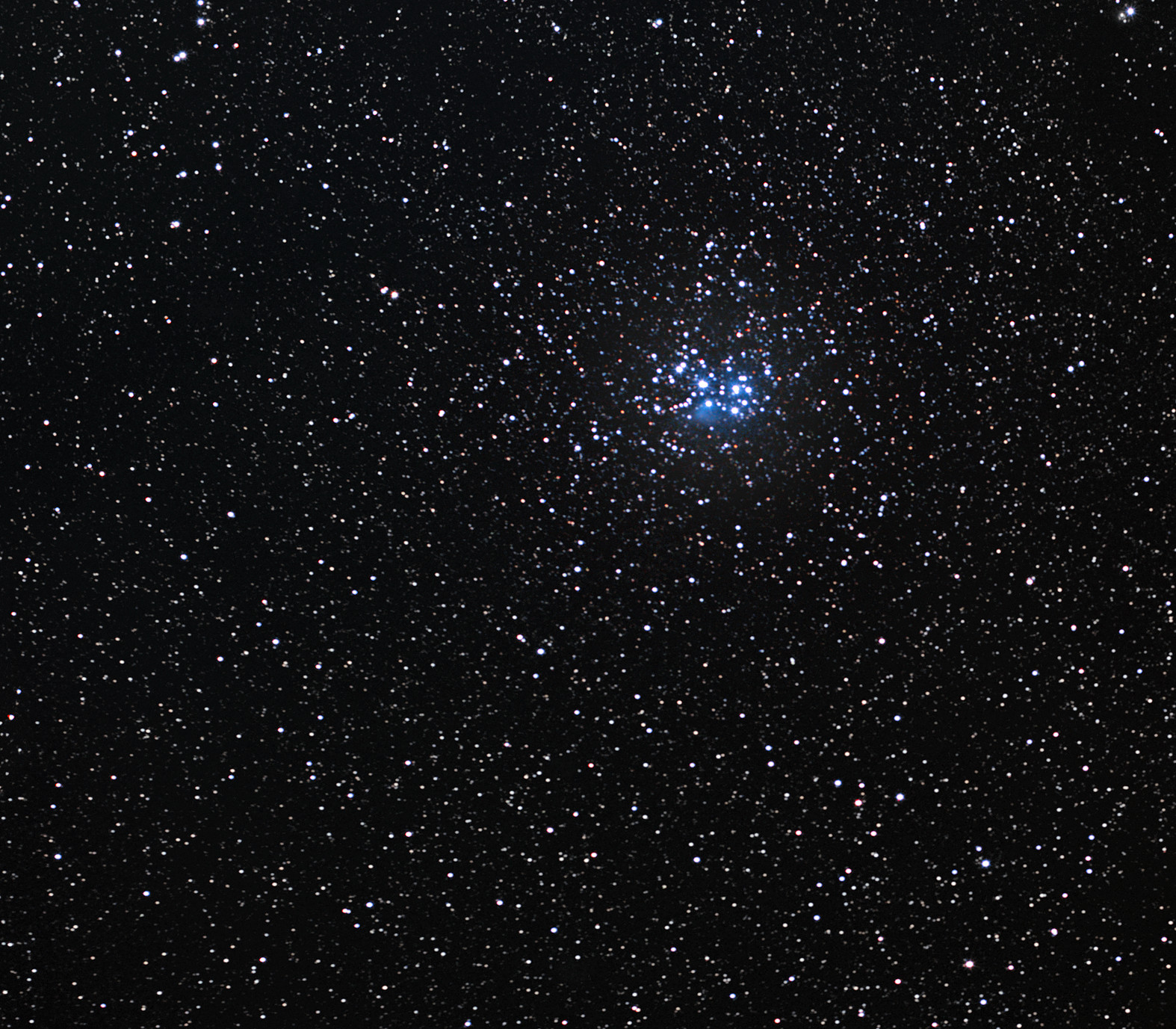
Before dawn in midwinter, a small cluster of stars returns to view above Aotearoa New Zealand. Its appearance can bring a much larger world into focus: food gathered from land and water, the people who have died, the relationships that sustain a community, and the year still to come.
Matariki is the Māori name for the star cluster also known as the Pleiades. For many Māori communities, its seasonal return helps mark the new year. Other communities give a central place to Puanga, the star astronomers call Rigel. The differences are part of the history, shaped by place, inherited knowledge and the practices of particular iwi and hapū.
This is a living subject. It includes celestial observation and spiritual meaning, ancestral narratives and contemporary renewal. Learning about it gives us a way to understand a sky tradition through the people and relationships that make it matter.
A new year belongs to a place
Paul Meredith's Te Ara introduction to Matariki explains its association with remembrance, gratitude, gathering and the renewal of the year. The season is midwinter in Aotearoa, rather than the January beginning familiar from the Gregorian calendar.
The sky provides a recurring event, but its significance cannot be separated from life on the ground. A community's food stores, harvest, weather and relationships give seasonal time its texture. The new year becomes an occasion for acknowledging what has sustained people and considering what comes next.
The word Māori also needs to leave room for local identity. Iwi are peoples or tribal communities; hapū are related kinship groupings, often translated as subtribes; whānau refers to family and extended family. These terms do not describe interchangeable administrative units. They help identify the relationships through which knowledge and responsibilities are carried.
When accounts differ, a useful first question is where the account belongs. The answer may be a region, a family line, a teacher or an iwi's particular tradition.
Seeing the stars, counting the stars
Te Papa's discussion of seven- and nine-star traditions recognizes both. The museum explains that its own presentations have been shaped by the iwi who have worked with it and by its location in Te Whanganui-a-Tara, Wellington.
That is a valuable description of how public cultural knowledge is presented. A museum does not stand outside relationships with communities. Its explanation develops through them.
The nine-star account widely shared today connects the stars with different parts of the natural and social world. The public Matariki information site presents these associations:
| Star | Association in this public account |
|---|---|
| Matariki | The central gathering of the cluster, presented as a mother with her children |
| Tupuānuku | Food from the ground |
| Tupuārangi | Food from the trees |
| Waitī | Fresh water and its living creatures |
| Waitā | Food from the sea |
| Waipunarangi | Rain |
| Ururangi | Winds |
| Pōhutukawa | Those who have died |
| Hiwa-i-te-rangi | Hopes and aspirations |
The table is an introduction to an attributed account, rather than a replacement for local teachings. Its relationships are especially striking: food, weather, memory and aspiration share the same sky. A star's significance can point outward toward the conditions of collective life.
Why Puanga matters
Te Wānanga o Aotearoa's account of Puanga and Matariki identifies communities around Whanganui, Taranaki, parts of Te Taitokerau and the South Island among those who look to Puanga to mark the new year. It explains that some iwi acknowledge and read both Puanga and Matariki.
Puanga is a single star, distinct from the Pleiades cluster. The account also places it within Te Waka o Rangi, a celestial canoe associated with carrying the souls of those who have died. That spiritual narrative belongs to the tradition being described; it is not an astronomical description of a physical vessel.
The relationship between local horizons and inherited practice is important. The same sky is not visible in exactly the same way from every landscape. A national explanation becomes richer when it includes these variations instead of treating one community's marker as the only authentic one.
Recognizing Puanga also prevents a subtle loss. A celebration named nationally for Matariki can still acknowledge the distinct knowledge of communities whose new year has another central star.
The eyes of Tāwhirimātea
Meredith's “Heralding the New Year” presents a creation narrative in which Tāwhirimātea, associated with the winds, responds in anger to the separation of Ranginui and Papatūānuku. He casts his eyes into the heavens. The name Matariki is connected in this account with those divine eyes.
The same page identifies Tūhoe astronomer Rangi Mātāmua's ancestral nine-star account. Matariki can name both the whole cluster and an individual star within it. That is useful to know when reading an explanation that seems to use the same word in two ways.
A narrative such as this does different work from a star catalogue. It relates the sky to ancestry, relationships among atua and the formation of the world. Translating it only into coordinates would remove much of what the story is there to convey.
We can learn the astronomical identification and the ancestral narrative together while recognizing that they speak in different registers. The Pleiades identifies an observable cluster. The account of Tāwhirimātea situates it within a Māori understanding of the world.
Observing, remembering and feeding the stars
One important ceremony is whāngai i te hautapu, often shortened to hautapu. Te Papa's public explanation describes three connected parts: observing the cluster, remembering the dead and offering food to the stars.
In the viewing, tohunga, recognized experts, attend closely to the stars' appearance. The account describes brightness, distinctness and other visible qualities being interpreted in relation to the coming year's productivity. These are traditional readings of the sky, attributed to the practice rather than presented here as a demonstrated forecasting technique.
Remembrance includes calling the names of people who have died since the previous rising. The food offering involves releasing steam from prepared kai toward the stars. The ceremony brings observation, mourning and reciprocity into the same event.
The connection is more substantial than a generic wish for a good year. The community acknowledges nourishment, names its losses and responds to the sources of life through an offering. The past year has not vanished simply because a new one begins.
A meal carries the landscape with it
Te Wānanga o Aotearoa's description of Matariki celebrations explains that foods can be selected from gardens, forests, rivers and the ocean. In the ceremony it describes, tohunga conduct karakia while the food is prepared and offered, followed by gathering, song, dance and feasting.
Those categories connect directly with the stars' publicly described associations. Food can represent the environments from which it comes. The offering is therefore also an acknowledgment of relationships with those environments.
The same resource credits Rangi Mātāmua, Hēmi Kelly and a line passed down from Sir Pou Temara in explaining the phrase Mānawatia a Matariki. The phrase invites celebration and honoring of Matariki. Naming those people makes the public explanation a history of transmission, rather than an anonymous piece of content circulating online.
These accounts explain ceremonies shared publicly by their communities. They do not turn reading an article into appointment as a tohunga. The welcome lies in learning, listening and participating appropriately in the settings that make participation possible.
The manuscript behind a modern resurgence
Renewal also has a material history. Royal Society Te Apārangi and Ngā Pae o te Māramatanga's account of Mātāmua's 2017 book describes a 400-page astronomical manuscript compiled in Ruatāhuna between 1898 and 1933. Ngā Pae o te Māramatanga's research announcement identifies the ancestral compilers as Te Kōkau Himiona Te Pikikotuku and Rāwiri Te Kōkau.
The book's documented background connects the contemporary resurgence with preserved family knowledge, public scholarship and teaching. Its history reaches from a manuscript kept in Ruatāhuna into the wider public conversation about Matariki today.
There is intellectual labor behind that continuity. Someone recorded information. Someone cared for it. Someone learned to read, research and share it within changing circumstances. The history of a revival includes those acts of keeping knowledge available.
From community renewal to a public holiday
Meredith's “Modern Matariki” describes the decline of elaborate celebrations by the 1940s while some iwi retained regional knowledge. It also identifies Te Rangi Huata's public Ngāti Kahungunu celebrations in Hastings in 2000 as an important moment in the modern resurgence.
That account places iwi, hapū and whānau at the center of renewed gatherings for mourning, sharing kai, discussion and celebration. Institutions and councils also helped bring wider attention to the season. The resurgence was made through people organizing and teaching, not simply through the arrival of a new date on a state calendar.
Matariki became a national public holiday in 2022. The Ministry for Culture and Heritage's Matariki page connects the holiday with Māori knowledge and nationally broadcast hautapu hosted with iwi. The Gregorian date varies in relation to a Māori stellar-lunar framework; it is not fixed to the same numbered day each year.
Public recognition changes the audience, but local knowledge remains important. A national observance can create more opportunities to learn without erasing the communities whose histories give it meaning.
What a new beginning can hold
Matariki brings remembrance and aspiration into the same season. Pōhutukawa connects the cluster with the dead; Hiwa-i-te-rangi carries hopes for what lies ahead. The food stars connect both with the material conditions of life.
That arrangement offers a generous idea of renewal. A beginning can acknowledge grief. Gratitude can include responsibility for the places that feed people. Looking forward can happen in the company of those whose names are still spoken.
For visitors meeting the subject here, the most rewarding route is through its specificity: Tūhoe scholarship, Ngāti Kahungunu public renewal, Puanga traditions in named regions, and the different ways families and communities carry the season. Those histories give Matariki its depth. The stars become more interesting when the people beneath them stay in the story.
Sources and further reading
- Paul Meredith, Te Ara, Matariki overview, “Heralding the New Year”, and “Modern Matariki”.
- Museum of New Zealand Te Papa Tongarewa, seven- and nine-star traditions and “What Is a Hautapu?”.
- Te Wānanga o Aotearoa, “Puanga and Matariki” and “Matariki Celebrations”.
- Matariki, public questions and answers, including star associations.
- Royal Society Te Apārangi and Ngā Pae o te Māramatanga, Matariki: The Star of the Year, 2017 publication record; Ngā Pae o te Māramatanga, research announcement.
- Manatū Taonga, Ministry for Culture and Heritage, Matariki.
Key terms
Related reading
Conversation
Loading comments…