Pacific Island Traditions
Matariki: Stars, Remembrance and the Māori New Year
Explore how named stars connect remembrance, food, seasonal knowledge and community in the Māori new year.
Māori Matariki · Customary knowledge and contemporary renewal
Collection
The Pacific is a region of relationships across an immense ocean. Its peoples have developed distinct languages, histories, religious traditions and forms of knowledge. A star can help locate a canoe, mark a season, enter a genealogy or carry a place within a sacred narrative. Understanding its role begins with the community using it.
This collection introduces particular traditions through named people and places. Māori Matariki in Aotearoa, Hawaiian Makahiki, and the transmission of navigational knowledge between Satawal and Hawaiʻi offer three ways to begin. Their differences matter as much as their connections.
An introductory description of spirituality can become too abstract if it leaves out food, weather, work and place. Seasonal observances can concern the environments that nourish people. Navigation can depend on accumulated observations of waves, wind and the movements of celestial bodies. Stories can relate those observations to ancestry and responsibility.
These relationships do not make every form of sky knowledge a method of fortune-telling. A navigator locating land is solving a different problem from a ritual expert interpreting a sign concerning a coming season. A tradition may bring several forms of knowledge into conversation while preserving their different purposes.
For beginners, it helps to ask what is being understood and why. A useful explanation should make the actual work visible: observing a rising point, keeping track of direction, honoring the dead, offering food or marking the renewal of a year.
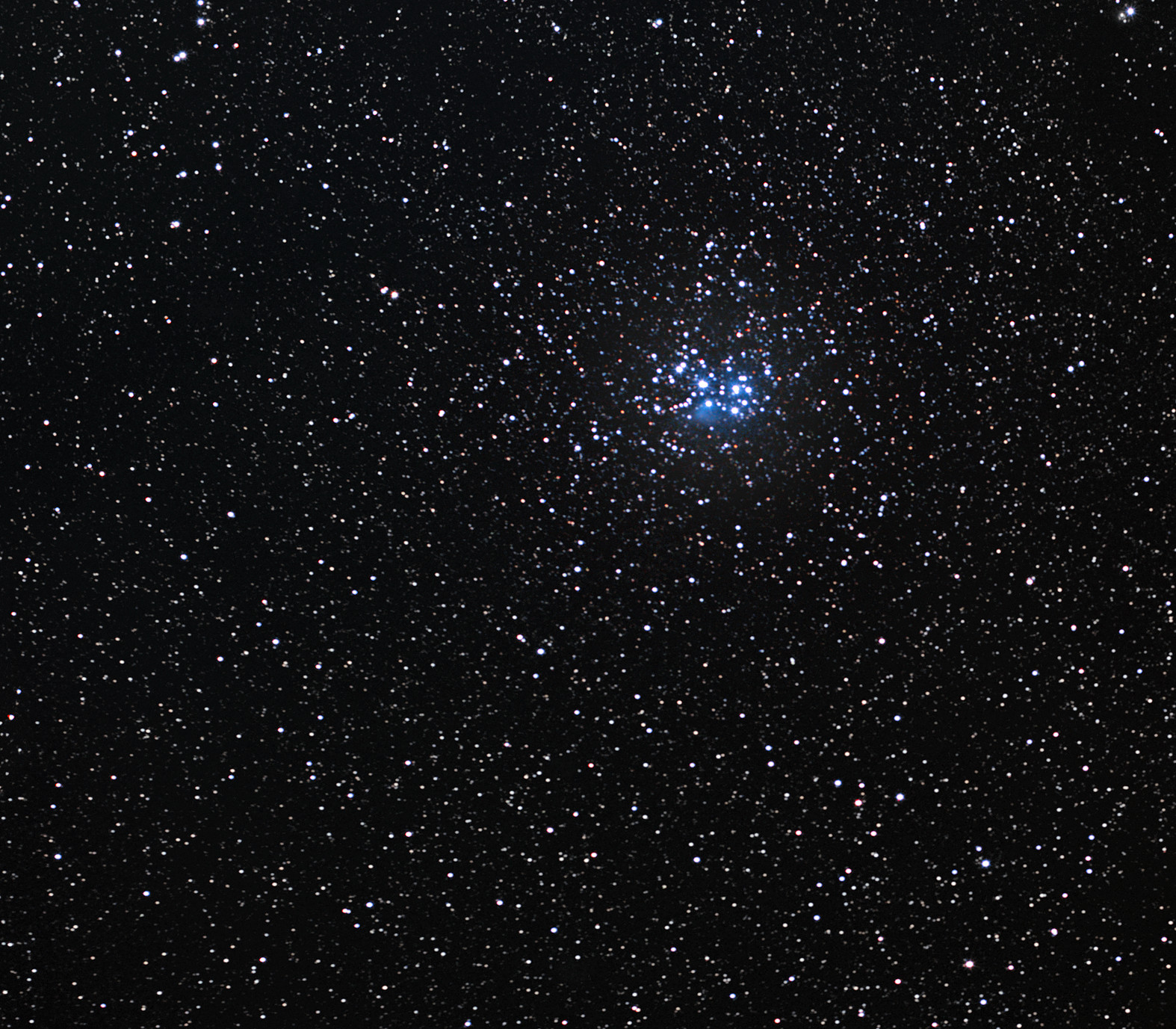
For many Māori communities, the return of Matariki before dawn in midwinter helps mark the new year. Some iwi give a central place to Puanga. Aotearoa New Zealand's Ministry for Culture and Heritage identifies regional Puanga traditions and describes Matariki through remembrance, the present and the future.
This is a living and renewed field of practice, with a national public holiday established in 2022. National recognition exists alongside local knowledge, rather than replacing it. Our full feature, “Matariki: Stars, Remembrance and the Māori New Year”, follows named communities, the stars' associations, public descriptions of hautapu, and the people involved in the contemporary resurgence.
The topic belongs here and within Calendars, Seasons & Cycles. Its historical and spiritual depth comes from its Māori settings. It does not need to be recast as a version of Western zodiac astrology to belong in a spiritual reference collection.
In Hawaiʻi, the Pleiades are known as Makaliʻi. Haleakalā National Park's public account of Makahiki describes a season beginning with the cluster's appearance near sunset in late October or early November. It connects the observance with Lono, agriculture, rainfall, prosperity and peace.
The account describes a period of religious festivities, feasting, sports and the collection of offerings, when warfare was prohibited. It also emphasizes variation among islands and notes that much of the written historical record concerns Hawaiʻi Island. The cultural renaissance renewed public observance in the 1980s.
This is another seasonal relationship with the same astronomical cluster discussed in the Matariki feature, but it has its own timing and history. An evening appearance in the northern tropics is a different seasonal marker from a pre-dawn appearance in Aotearoa's winter. The shared stars do not produce one universal Pacific calendar.
Puʻuhonua o Hōnaunau National Historical Park's account of Kau Makaliʻi adds a specific ritual setting. It describes an image of Lono, the Akua Loa, traveling through a moku, or district, in a procession connected with the land's productivity and wealth. Celestial and environmental observations help situate the ritual season and lunar calendar.
The movement through a district matters. The observance connects religious meaning with communities and their resources. It gives the season a geography, rather than leaving it as an isolated story about a star.
The two park accounts use somewhat different seasonal descriptions. Reading them together leaves room for place, lunar reckoning and variation in what part of a longer season an account emphasizes. A broad Gregorian date range is an introduction, not a replacement for local calendrical knowledge.
The Polynesian Voyaging Society's introduction to wayfinding describes navigation using celestial bodies, swells, winds and other environmental signs. Its account identifies Mau Piailug, a master navigator from Satawal in Micronesia, as a teacher of Hawaiian navigator Nainoa Thompson.
This exchange should be named accurately. Satawalese knowledge is not made Polynesian simply because it helped a Polynesian voyaging resurgence. The history includes people from different Pacific societies sharing expertise within particular relationships.
Thompson's Hawaiian star compass divides the horizon into 32 named houses. It is a mental framework for bearings, not a magnetic instrument and not a set of astrological personality houses. Navigators use rising and setting directions alongside other observations to maintain a course and find land.
The method demands attention over time. Knowing a star's name is only one part of the work. Direction, distance, changing weather and the sea's movement have to be considered together.
The society's history of Hōkūleʻa places the canoe within a movement of cultural recovery and renewed voyaging. Mau Piailug navigated its 1976 voyage to Tahiti. Nainoa Thompson later navigated voyages and helped train another generation.
These events give the word revival a concrete meaning. A canoe had to be built and sailed. Knowledge had to be taught and practiced. Teachers and crews accepted responsibilities that could not be fulfilled by repeating an inspiring slogan about the ocean.
Religious, genealogical and cultural significance can accompany such work, while navigation remains a practical discipline. The distinction lets us respect both the knowledge and the wider relationships in which people understand it.
| Starting point | Community or setting | What to notice |
|---|---|---|
| Matariki and Puanga | Named Māori communities in Aotearoa | Seasonal renewal, remembrance, local variation and living knowledge |
| Makahiki | Hawaiian traditions, with island differences | Lono, offerings, land, food and seasonal observance |
| Voyaging resurgence | Satawalese and Hawaiian teachers and crews | Transmission, environmental observation and practical navigation |
These are substantial starting points within a much larger region. Each account should retain its own vocabulary, sources and historical setting. Comparisons become useful when they help us see relationships more clearly, rather than replace the traditions with a generic collection of sacred symbols.
Pacific Island Traditions
Explore how named stars connect remembrance, food, seasonal knowledge and community in the Māori new year.
Māori Matariki · Customary knowledge and contemporary renewal